
MASTER OF SCIENCE IN
Biomedical Engineering
Biomedical Technology is Booming
More than ever before, companies are looking for engineers who understand the medical uses of diagnostic imaging instrumentation, biotechnology professionals with training in tissue engineering, and mechanical engineers who are well versed in biomaterials to design innovations such as artificial joints. When you graduate with a master’s from Tufts, you’ll be prepared to advance in the ever-changing field of biomedical engineering.
ENTRY TERMS:
- Fall
- Spring
APPLICATION DEADLINES:
- Fall: May 15
- Spring: September 15
Ready to take the next step?
For more information about the MS in Biomedical Engineering program, including application requirements, please complete the form below.
ENTRY TERMS:
- Fall
- Spring
APPLICATION DEADLINES:
- Fall: May 15
- Spring: September 15
For International Applicants
- TOEFL, IELTS, or Duolingo scores are required, if applicable.
- If admitted, confirm enrollment by April 15 for fall admission or December 1 for spring admission.
- The Tufts International Center issues visa document forms and offers support.
GRE General Test scores not required for applicants who will have received a degree from a U.S. or Canadian institution by time of enrollment. GRE scores required for all other applicants.
A Global Community Welcomes You
With students who come from over 90 countries, resources for international students are available throughout Tufts. The Tufts International Center supports students and their dependents throughout their Tufts experience including assistance in visa processing, work authorization, and cultural acclimation. Special programs such as Thanksgiving programming, winter housing, and pairing with a local host are offered each year.
Choose Your Area of Study
The biomedical industry demands skilled professionals whose expertise can cross traditional boundaries of science and engineering. At Tufts, you’ll learn what you need to succeed through a highly interdisciplinary course of study—and you’ll focus on one of several biomedically relevant topics, including tissue engineering, biological delivery, or the interaction of biomaterials with mammalian tissues. Earn your master’s in biomedical engineering with a focus on any of these areas of study:
- Biomedical imaging: Help advance imaging technology used to scan tissue and organs in the human body, and improve the ability to assess medical conditions.
- Biomaterials: Study the versatility of silk-based biopolymers, and explore their benefits in self-assembly, biomaterials engineering, tissue engineering, and regenerative medicine.
- Drug delivery: Work to engineer technologies that transport therapeutic materials through the body, with applications in vaccines and cancer treatments.
- Wearable sensing devices: Investigate sustainable materials used for high-technology applications, including identifying pollutants and pathogens or improving athletic performance.
$106,950
The average salary for a biomedical engineer in 2024*
*Source: bls.gov
98%
of Tufts School of Engineering graduates had secured employment or received a job offer at the time of graduation
125,000+
Join a network with 125,000+ Tufts University alumni
"In the master’s program, we currently have students with backgrounds in chemistry, biomedical engineering, pharmaceuticals, biology, material science, and chemical engineering. It’s a very diverse group that brings a variety of perspectives, experiences, and interests to the table."
– Professor Qiaobing Xu, Biomedical Engineering
Program Highlights
- Small class sizes
- Personalized path of study
- Real-world projects and internship opportunities
- Mentorship from professors at the top of their fields
- Collaborative research that crosses disciplines
- Five miles from the high-tech hub of Boston
- One-on-one career advising and workshops
- Extensive professional development training and resources
Graduate Cooperative Education (Co-Op) Program
Where Can You Go From Here? Anywhere You’d Like.
As a biomedical engineer, you’ll work with scientists, medical researchers, and manufacturers to address a wide range of potential interventions for injuries, illnesses, physical disabilities, and more. Using what you learn at Tufts, you’ll combine engineering principles with medical and biological sciences to design and create equipment, computer systems, and software for health care.
Careers for graduates include:
- Biomaterials developer
- Manufacturing engineer
- Independent consultant
- Doctor
- Biomedical scientist/researcher
- Rehabilitation engineer
- Medical technology engineer
Discover Academic Excellence
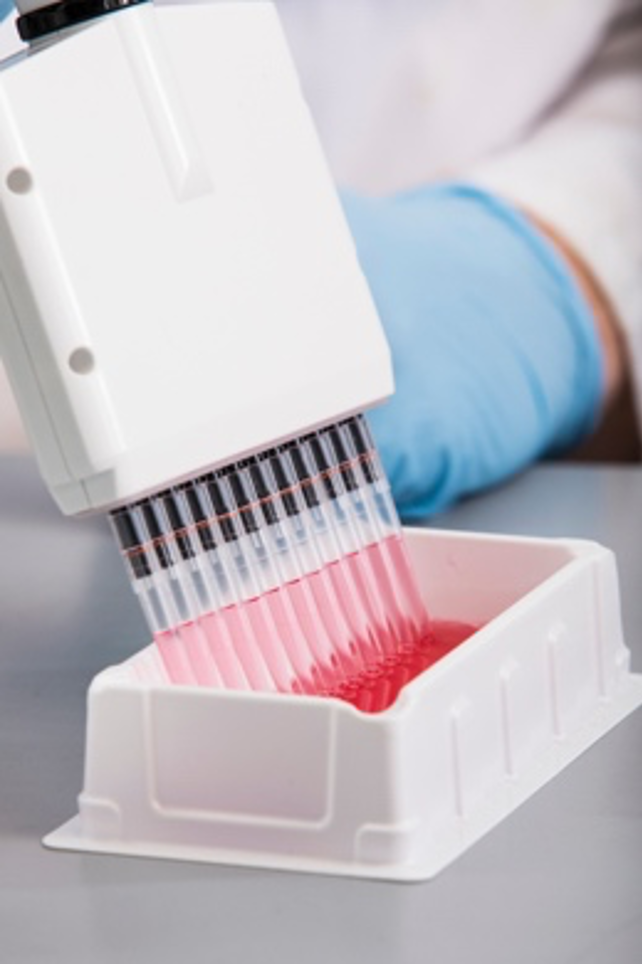
The biomedical engineering program is distinguished by its opportunities to work closely with faculty every step of the way. Graduate students have the chance to collaborate with and learn from some of the most renowned experts in the country, all while seamlessly transitioning from graduate studies to a full-time career.
About Tufts University
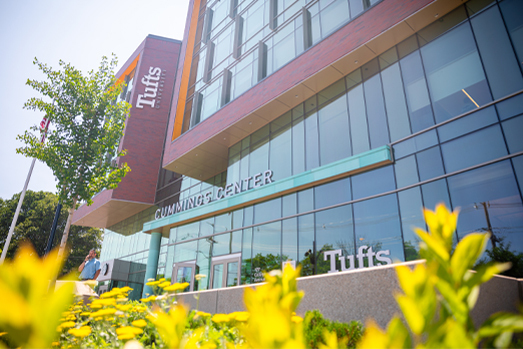
At Tufts, you’ll work with world-renowned engineering faculty at the top of their disciplines. Combine classroom teaching and hands-on learning to earn a degree that will prepare you for success. Take advantage of Tufts’ dedicated career and networking resources, explore the Tufts campus just a few miles from the high-tech hubs of Boston and Cambridge, and get ready for the next step in your professional life.