
MASTER OF SCIENCE IN
Materials Science and Engineering
Help Change the World’s Materials
From drug delivery, to semiconductors, to nano-enabled membranes for water treatment, the Tufts materials science and engineering program offers graduate students a wide array of opportunities to study and develop materials that will change the world. You’ll benefit from an interdisciplinary approach, allowing you to take relevant classes across multiple departments to achieve mastery in the field.
ENTRY TERMS:
- Fall
- Spring
SCHOLARSHIPS AVAILABLE:
- Apply to a master’s program before the application deadline to be considered for scholarships
APPLICATION DEADLINES:
- Fall: Rolling admissions through August 1
(domestic & U.S-based international applicants) - Spring: September 15
Ready to take the next step?
For more information about the MS in Materials Science and Engineering program, including application requirements, please complete the form below.
ENTRY TERMS:
- Fall
- Spring
SCHOLARSHIPS AVAILABLE:
- Apply to a master’s program before the application deadline to be considered for scholarships
APPLICATION DEADLINES:
- Fall: Rolling admissions through August 1
(domestic & U.S-based international applicants) - Spring: September 15
Engineer Across Different Fields
The MS in Materials Science and Engineering puts students at the forefront of many new technological developments. Materials scientists and engineers study and develop the materials of our present technological base, as well as look to the materials of the future. At Tufts, we’re building on a university-wide history of excellence in the field. The Tufts Interdisciplinary Advanced Materials Center (TIAMAT) brings it all together, with more than four dozen Tufts faculty members coming from eight different departments–and our program prepares students for success in industry and academia alike.
$108,310
The average salary for a materials engineer in the United States in 2024*
*Source: bls.gov
125,000+
Join a network of Tufts University alumni
2
Convenient schedules, full-time or part-time
Develop the Skills You Need to Succeed
To work in materials science and engineering, you’ll need a broad range of analytical, communication, and knowledge-based skills. At Tufts, you’ll develop all these and more.
Analytical Skills:
- Mathematics and computer science skills, especially the ability to understand and apply statistical techniques
- Critical thinking, problem solving, and analytical skills to determine which tests to conduct and to interpret the results of those tests
- Analytical instrumentation techniques to characterize properties and performance of materials
Communication Skills:
- Communication skills, both written and oral, to communicate findings to both scientists and nonscientists
Background Knowledge:
- Fundamental understanding of the structure, composition, and properties of substances
Program Highlights
- Small class sizes
- Personalized path of study
- Real-world projects and internship opportunities
- Mentorship from professors at the top of their fields
- Collaborative research that crosses disciplines
- Five miles from the high-tech hub of Boston
- One-on-one career advising and workshops
- Extensive professional development training and resources
GRE Waived
Earn Two Degrees in Just 2 Years
Where Can You Go From Here? Anywhere You’d Like.
Though it’s a relatively new and broad field, materials science and engineering involves applications from a variety of scientific disciplines—all of which contribute to the creation of new materials. As a materials scientist or engineer, you’ll seek to understand the microstructure of a material so you can then tailor the properties to create custom (or even brand-new) materials for a specific use.
While you may be employed by a number of different companies to help make specific products, you may specialize in understanding specific types of materials. Positions you might consider following graduation include:
- Ceramic engineer: develop ceramic materials and the processes for making them into products, from high-temperature rocket nozzles to glass for LCD flat-panel displays.
- Composites engineer: develop materials with special engineered properties for applications in aircraft, automobiles, and related products.
- Metallurgical engineer: specialize in metals, such as steel and aluminum, usually in alloyed form with additions of other elements to provide specific properties.
- Plastics engineer: develop and test novel plastics and polymers for new applications.
- Semiconductor processing engineer: apply materials science and engineering principles to develop new microelectronic materials for computing, sensing, and related applications.
Source: bls.gov

Graduate Cooperative Education (Co-Op) Program
Discover Academic Excellence
The Tufts materials science and engineering science program is distinguished by its opportunities to work closely with faculty every step of the way. Graduate students have the chance to collaborate with and learn from some of the most renowned experts in the country, all while seamlessly transitioning from graduate studies to a full-time career.
About Tufts University
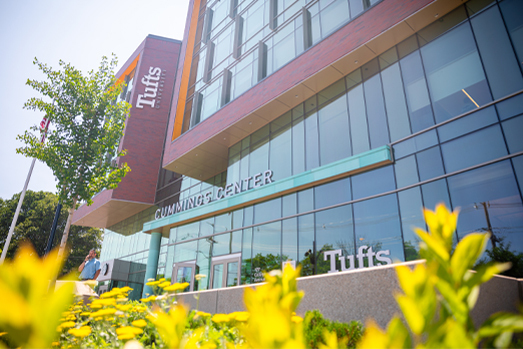
At Tufts, you’ll work with world-renowned engineering faculty at the top of their disciplines. Combine classroom teaching and hands-on learning to earn a degree that will prepare you for success. Take advantage of Tufts’ dedicated career and networking resources, explore the Tufts campus just a few miles from the high-tech hubs of Boston and Cambridge, and get ready for the next step in your professional life.